
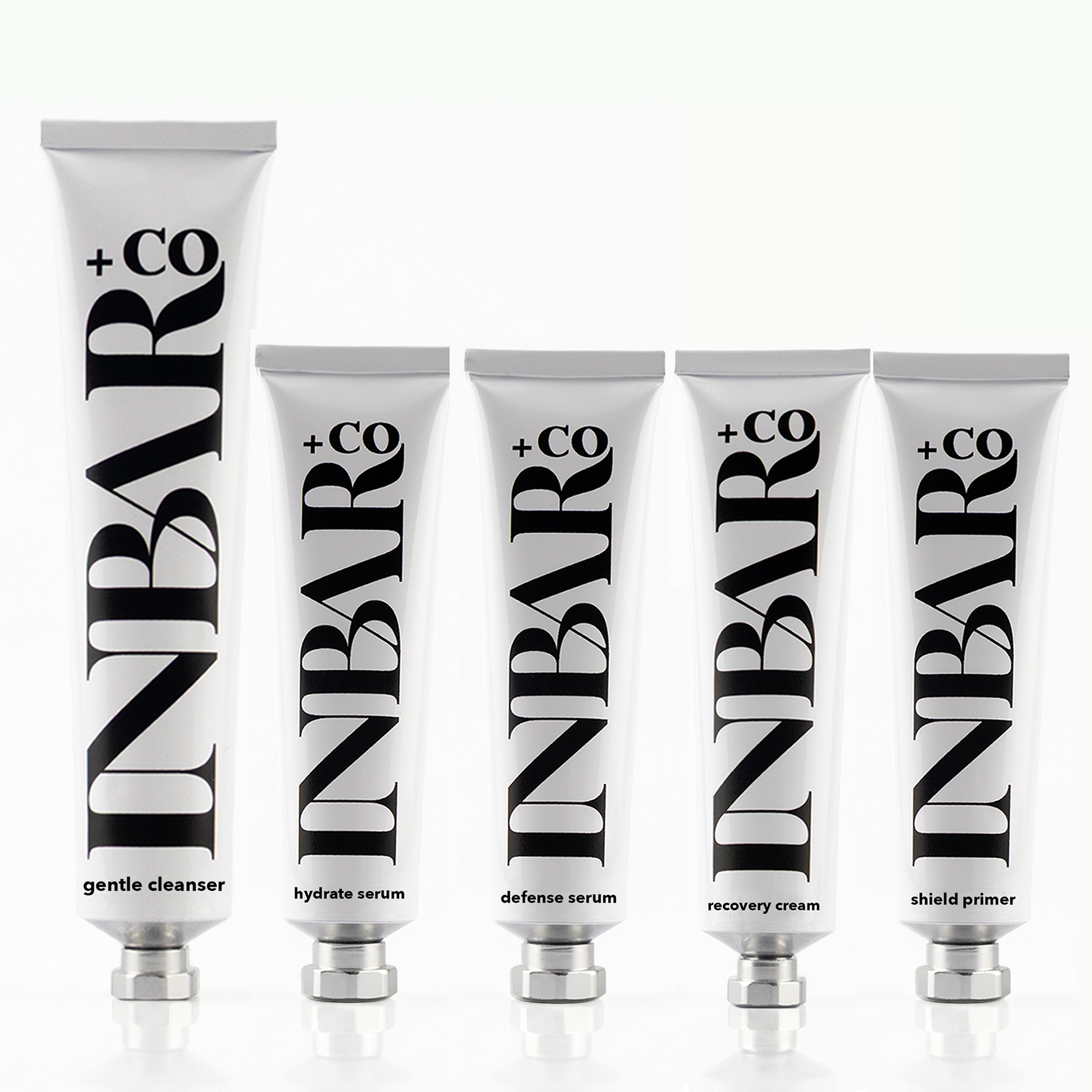

DRYis not thesame asTHIRSTY
Hydration is not just water. Skin has to attract it, hold it, seal it, and protect the barrier that keeps it there.

Fill the skin.
Seal it.
Hydration The Collection(8)
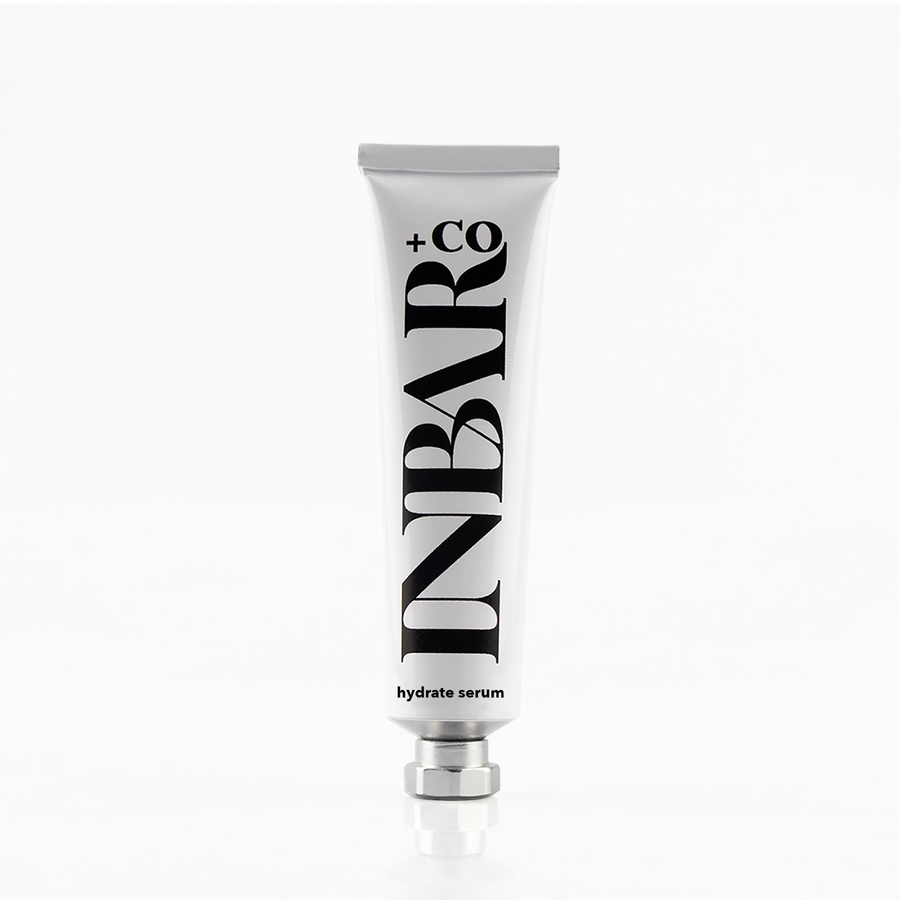

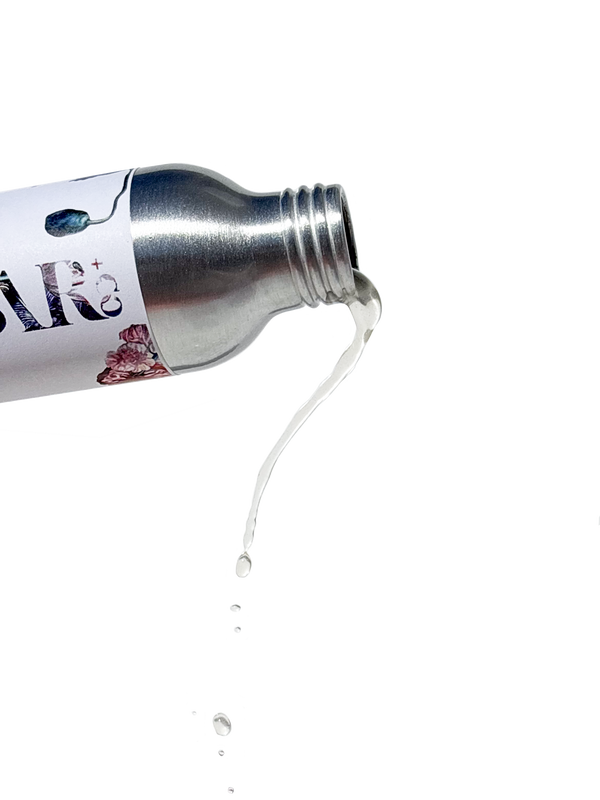
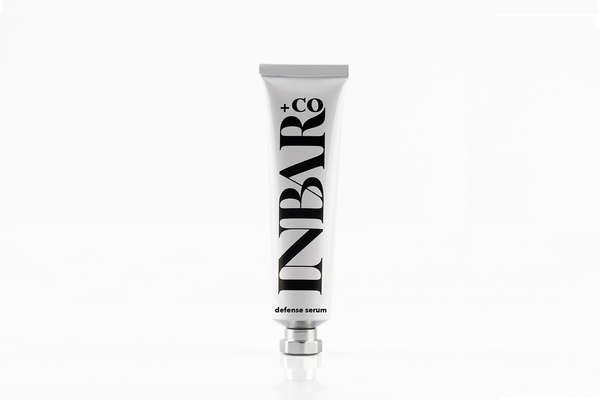
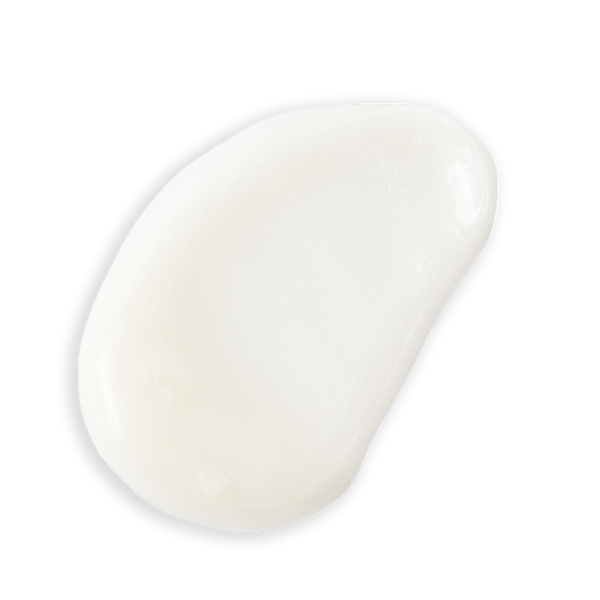
Hydrate Serum
Water in, barrier reinforced. Draws moisture into the skin and helps hold it there.

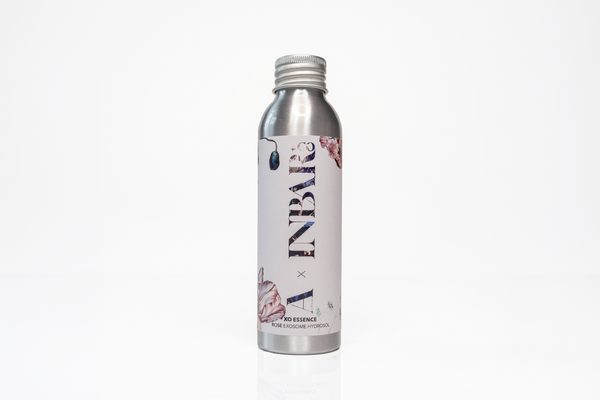

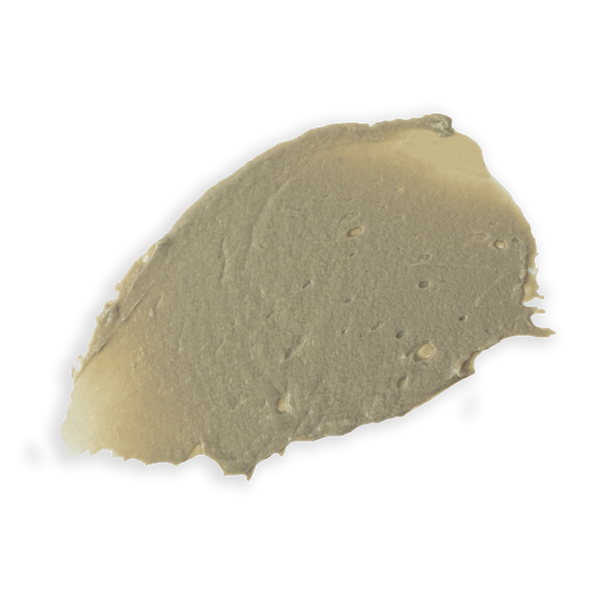

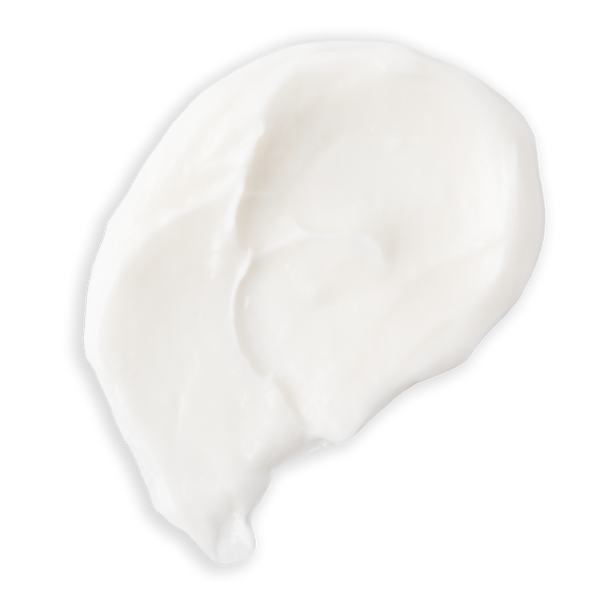


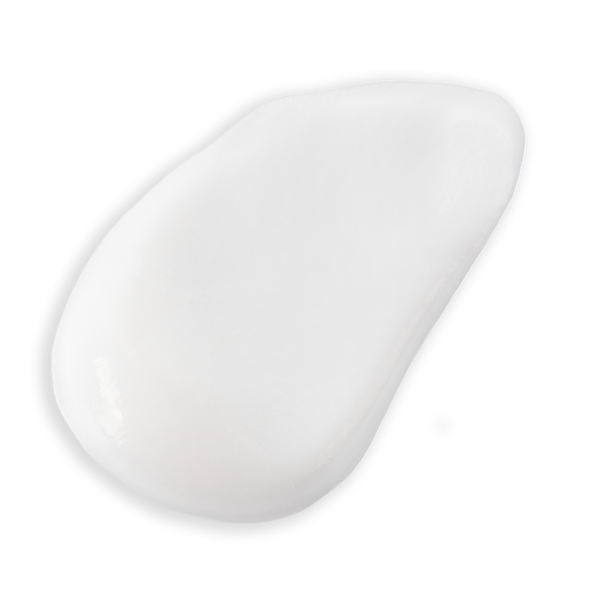
The Hydration System.
Choose your support.
Start with water-binding support, a cleanser-first core trio, or the complete hydration system.
View the full Hydration System →The complete fill, defend, and seal sequence for dry or dehydrated skin.
Water plus seal. For skin that feels dry, tight, or depleted.
The essential Hydration Entry: cleanse without stripping, add water, then seal it in.
The minimal travel support: activate, calm and seal when routine, climate or humidity changes.
"In the treatment room, dehydration rarely behaves like a single-product problem. Water has to be placed into the skin and then held there."
The layering order
Fill first. Seal last.Cleanse, XO Essence, Hydrate Serum, Defense Serum, Recovery Cream. Protect Oil can be added when the barrier is stable or when a richer finish is needed.
-
1
Cleanse
Gentle CleanserCleanses without stripping.
-
2
Activate
XO EssenceCalms, hydrates, and prepares skin.
-
3
Hydrate
Hydrate SerumDraws water into the skin and supports smoothness.
-
4
Defend
Defense SerumProtects, detoxes, and helps reduce water loss.
-
5
Seal
Recovery CreamRepairs the barrier and locks hydration in.
-
6
Finish
Protect OilAdvanced seal when the barrier is stable.
-
7
Protect
Shield SPF 35+Protects hydration and barrier function from daily UV stress.
Hydration is a system of order.
What changes in the treatment room is not just the product. It is the order.
Dehydrated skin often looks flat, tight, lined, or tired before it looks dry. In the treatment room, we often see skin that is losing water, recovering slowly, or feeling depleted even when the client is already using a cream.
Most people try to fix dehydration by adding a richer moisturizer. But hydration is not the same as oil or cream. Skin needs water-binding support first, then barrier support and sealing so hydration can actually hold.
We start by cleansing without stripping, then add water-binding hydration, support the barrier, seal with lipid comfort, and protect during the day. Hydration works best when each step has a distinct job.
Hydration starts at cleansing. If the cleanser leaves skin tight, squeaky, or depleted, every step after it has to compensate. Gentle Cleanser protects the first condition hydration depends on: a barrier that has not been disrupted.
Add advanced treatment only after the hydration foundation is stable. When skin feels less tight, holds moisture longer, and recovers more easily, targeted serums or corrective steps can be layered in without overwhelming the barrier.
Hydration FAQs.
Short answers for choosing the right hydration entry.
Not always. Dry skin is often lacking oil. Dehydrated skin is lacking water. Skin can be oily and dehydrated at the same time, which is why hydration support should not automatically mean using the richest cream.
A moisturizer can help comfort the skin and reduce water loss, but hydration needs water-binding support first. Hydrate Serum helps supply that water-binding step, while Recovery Cream and Protect Oil help support and seal it.
Start with Gentle Cleanser. Tightness after cleansing is often a sign that the first step is already disrupting the barrier. Hydration works better when skin is cleansed without being stripped.
They do different jobs. Hydrate Serum supports water-binding hydration. Recovery Cream supports comfort and barrier function. If skin feels tight, flat, or easily depleted, using both can help hydration hold longer.
Add Protect Oil when skin feels like it loses comfort quickly, needs more cushion, or benefits from a sealing step. It should come after water-based hydration and cream support, not replace them.
Daily protection helps keep results stable. UV exposure and environmental stress can make skin feel more depleted over time, so Shield Primer SPF is the daytime step that protects the work of the system.
Yes, if the skin is dehydrated. Oily skin can still lack water. Start with Gentle Cleanser and Hydrate Serum, then add cream, oil, or SPF according to how much support the skin can comfortably tolerate.
Move to the full system when dehydration is recurring: skin feels tight again quickly, makeup sits unevenly, fine lines look more visible from dryness, or hydration does not seem to hold through the day.
Dryness is structural.
Dehydration is a condition.
The system fills and seals both.
Dry skin lacks lipid production. The barrier cannot seal itself.
Water loss exceeds supply. This can affect any skin type.
Without a seal, hydration evaporates. Without water, sealing has nothing to hold.
Travel. Heating. Over-cleansing. Retinoids. Climate shifts.
Start where your skin is now.


