

SENSITIVITY COLLECTION
SENSITIVITY + REDNESS
Two distinct conditions, one underlying cause. When the skin's barrier loses integrity, everything gets through that shouldn't — and nothing stays in that should. The redness you see is the skin reporting the breach.
Sensitive skin - a compromised barrier
Red skin - the barrier's distress signal
Formulas that calm,rebuild, and hold
 Start Here
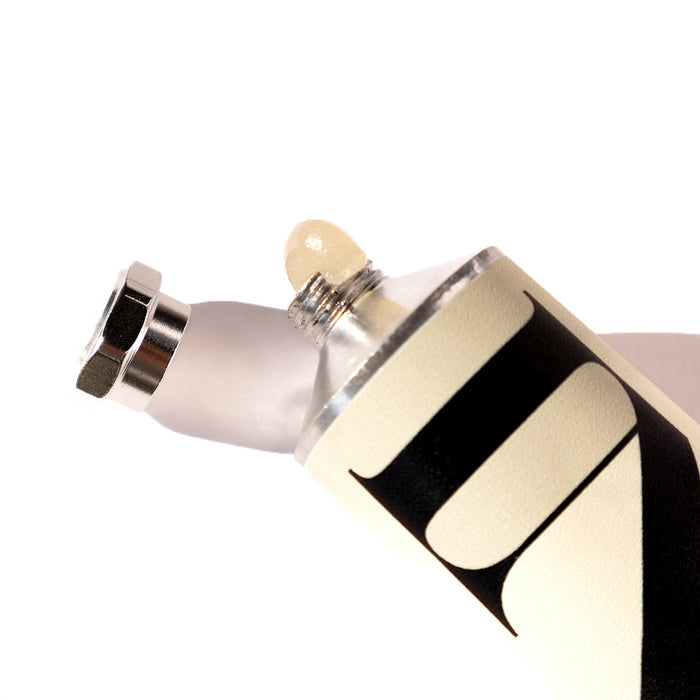
GENTLE CLEANSER
BARRIER-SAFE. For reactive skin, cleansing is where most routines go wrong. Removes without disrupting — no stripping, no surfactant shock, no redness that wasn't there before you started. The baseline every sensitised routine needs.
 PRIME + ACTIVATE
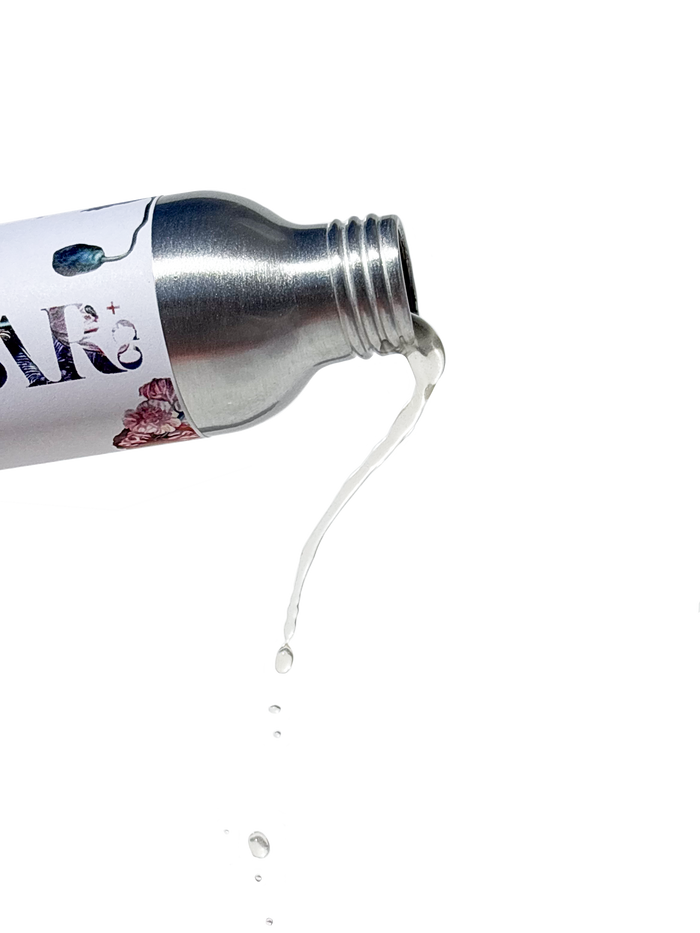
XO ESSENCE -
PREP + CALM. A rose hydrosol base with 1% rose exosomes — nothing that asks more of the barrier than it can give. Rose has been calming reactive skin for considerably longer than the clinical trials that confirmed why.
 water retention
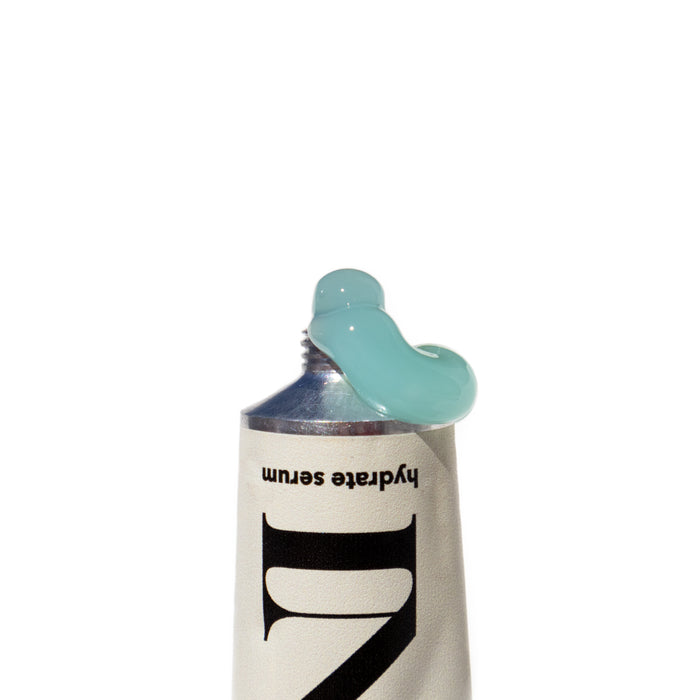
HYDRATE SERUM
WATER RETENTION. A compromised barrier loses water faster than it should. The 4-molecular-weight HA system addresses this at every level — replenishing water from outside in and building a moisture matrix that reduces the trans-epidermal water loss that makes sensitised skin feel perpetually tight and reactive.
 CORE FORMULA
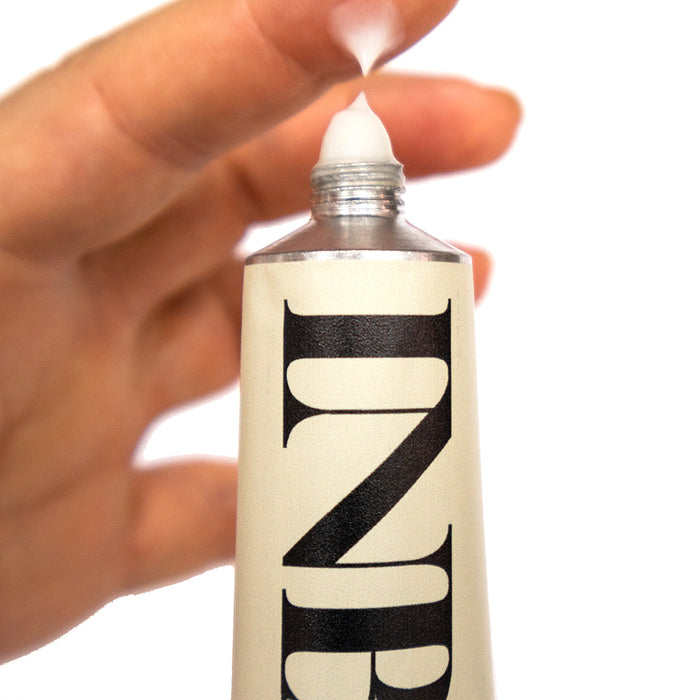
DEFENSE SERUM
FORTIFY - BARRIER DEFENSE Rebuilds the barrier's structural integrity within 24 hours — reducing the permeability that allows irritants in and water out. The redness diminishes because the cause is being addressed, not masked. Scented softly with dry cypress, lavender, fir, and Meyer lemon blossom.
 EXOSOME REPAIR
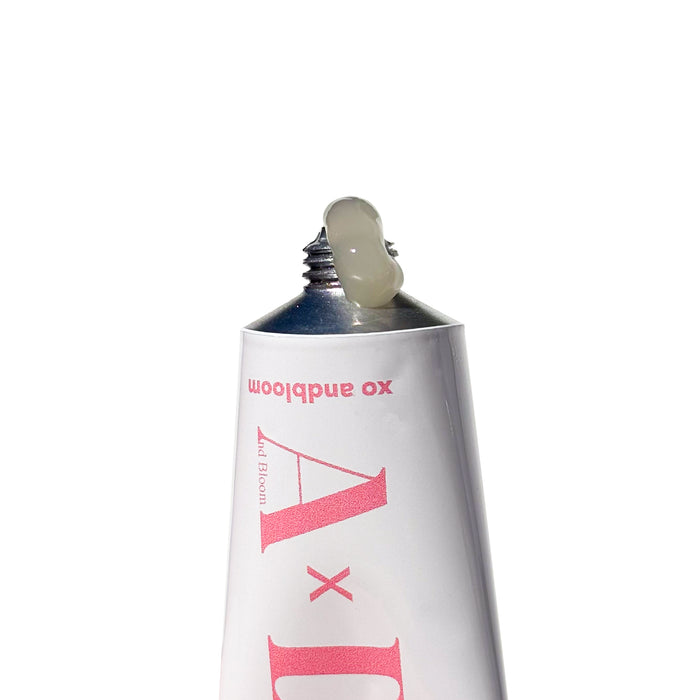
XO and.bloom SERUM
REPAIR. Delivers a concentrated repair signal deeper than surface hydration can reach. Applied after Hydrate Serum, when the moisture cushion is in place and sensitised skin is primed to receive. The step between filling and rebuilding.
 CALM + REGENERATE
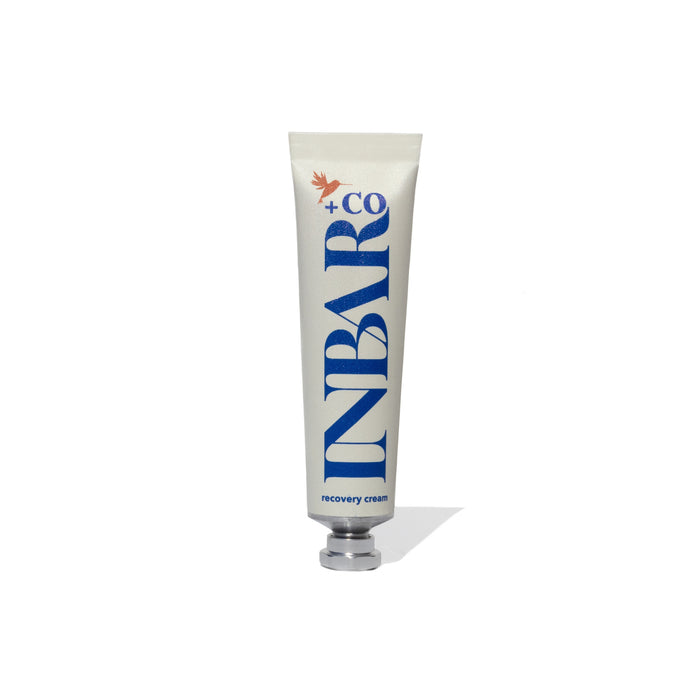
RECOVERY CREAM
SOOTHE. Tazman pepper calms inflammation. Cica rebuilds. Hydroxypinacolone retinoate accelerates cell renewal without the irritation of conventional retinoids. Allantoin soothes throughout. This is the formula for the aftermath: post-treatment, post-flight, post-whatever just happened.
 daily shield
sunscreen
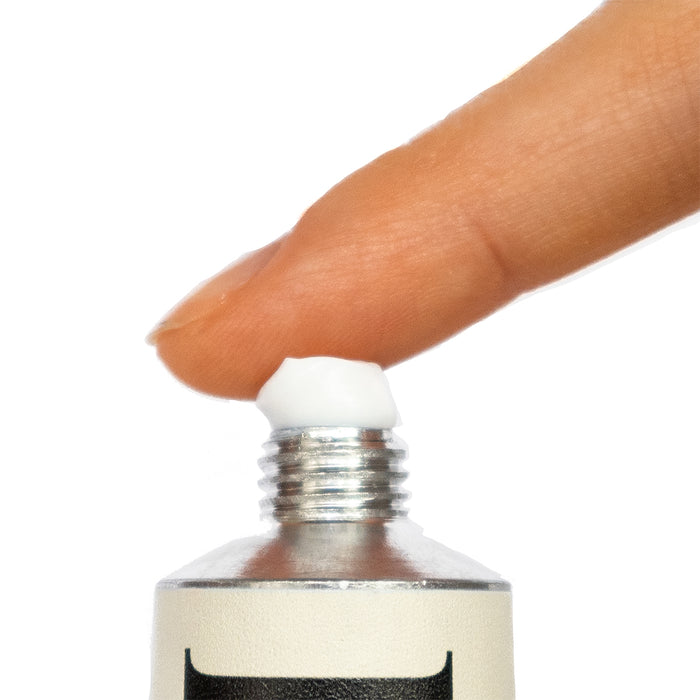
SHIELD PRIMER - SPF 35
SEAL + PROTECT. UV is among the most consistent triggers of both sensitivity and redness — and among the most preventable. SPF 35+ in a smooth, non-occlusive priming base that seals the barrier work done beneath it and blocks the UV that would undo it. The step that protects the investment of everything before it.
One way to think about it
"Think of the skin barrier as a brick wall. The cells are the bricks; the lipids are the mortar. When the mortar degrades, the wall becomes porous — irritants pass through, water escapes, and the skin reacts to everything. Restore the mortar, and the reactivity resolves. You were never treating redness. You were repairing a wall."
Sensitivity vs. Redness - and why rebuilding the barrier addresses both
The Science behind the Collection
What your skin is trying to tell you
Sensitivity and redness are often treated as interchangeable descriptions of the same problem. They are not. Sensitivity is a condition of the barrier — structural, underlying, and in many cases chronic. Redness is its most visible symptom: the skin signalling, with some urgency, that something is getting through that shouldn't be.
The distinction matters because treating redness as a cosmetic concern — something to neutralise or cover — misses the mechanism entirely. The barrier is the story. When it loses integrity, it becomes permeable to irritants, allergens, and environmental stressors in ways a healthy barrier would simply deflect. Rebuilding that integrity is the only intervention that addresses both conditions at once.
Sensitivity is a barrier condition — the skin's outermost layer has become compromised, either constitutionally or through external disruption. The result is a lower threshold for reaction: ingredients, temperatures, textures, and environmental factors that healthy skin simply processes without incident now provoke visible or sensory responses.
Genetic factors play a role, but sensitivity is also frequently acquired — built up through over-cleansing, aggressive exfoliation, or repeated exposure to ingredients that erode the lipid matrix over time. This is the category of sensitivity that is directly addressable, and the one this collection is designed for.
- Stinging, burning, or tightness after applying products that were previously tolerated
- A shortened tolerance window — fewer products the skin accepts without reaction
- Heightened reactivity to temperature changes, wind, and air conditioning
- A general sense that the skin is doing more work than it should just to feel comfortable
Redness is not a condition — it is a communication. The skin flushes when blood vessels dilate in response to a perceived threat: inflammation, irritation, UV exposure, heat, or the presence of something that has passed through a barrier that should have stopped it. It is the skin doing exactly what it is designed to do. The problem is not the response; it is the frequency.
Chronic redness — the kind that persists regardless of triggers — typically indicates a barrier that has lost sufficient integrity to prevent constant low-level irritation. Addressing the barrier reduces the frequency of the response because it reduces the frequency of the provocation.
- Flushing that is disproportionate to the trigger — or that arrives without one
- Diffuse redness concentrated around the nose, cheeks, and chin
- Visible capillaries or a general warmth to the skin that doesn't resolve
- Redness that worsens with heat, alcohol, spice, or stress — the classic rosacea pattern