
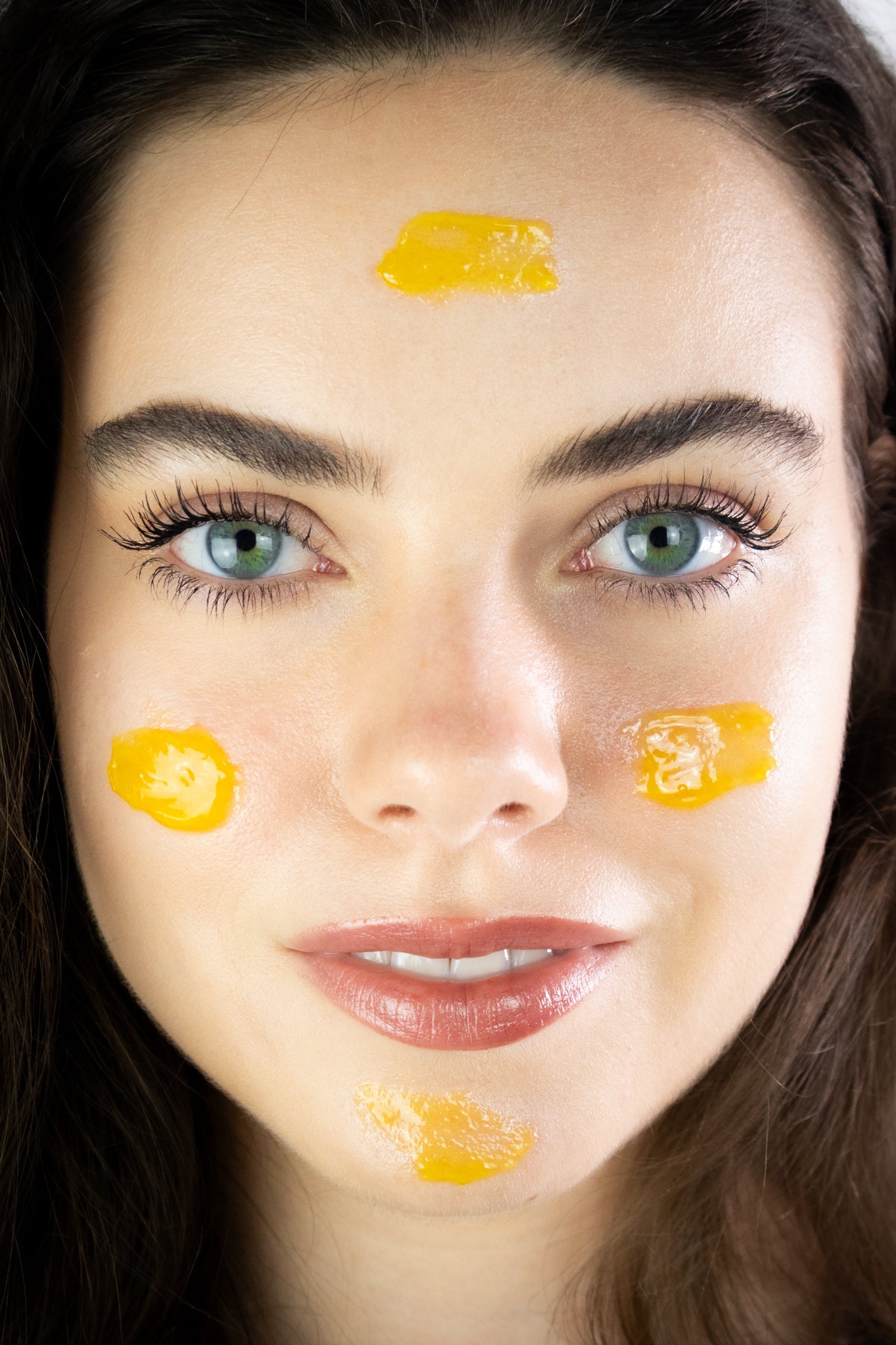
RENEWAL COLLECTION
TONE + BRIGHTNESS
Two distinct outcomes with one shared mechanism: how efficiently your skin renews itself. Address the renewal cycle and both resolve. This is the collection that does that.
Uneven tone - a pigment distribution problem
Dullness - a cell turnover problem
The Collection
Every formula that earns its place in the routine
 CLEANSE - Barrier-safe
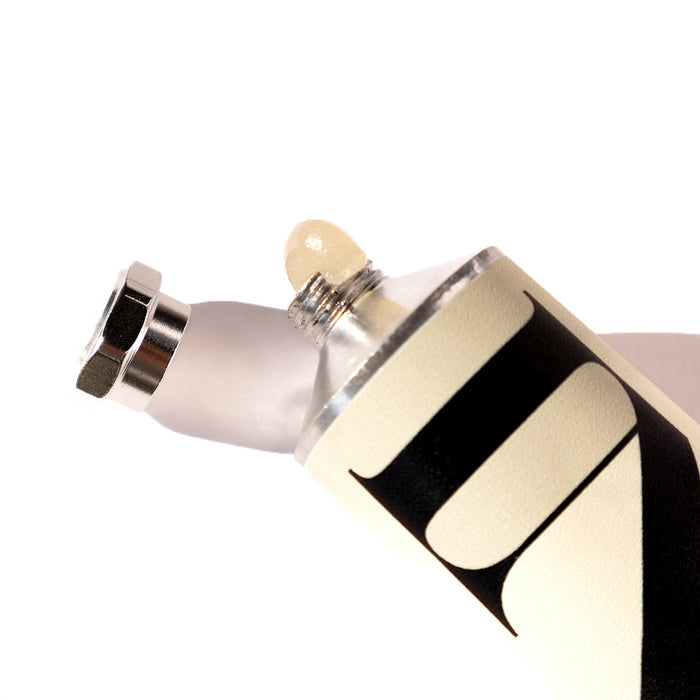
GENTLE CLEANSER
Removes thoroughly without triggering the inflammation that causes pigmentation — and doubles as the base for the Radiant Cleanse technique when mixed 1:1 with Radiance Mask.
 bestseller
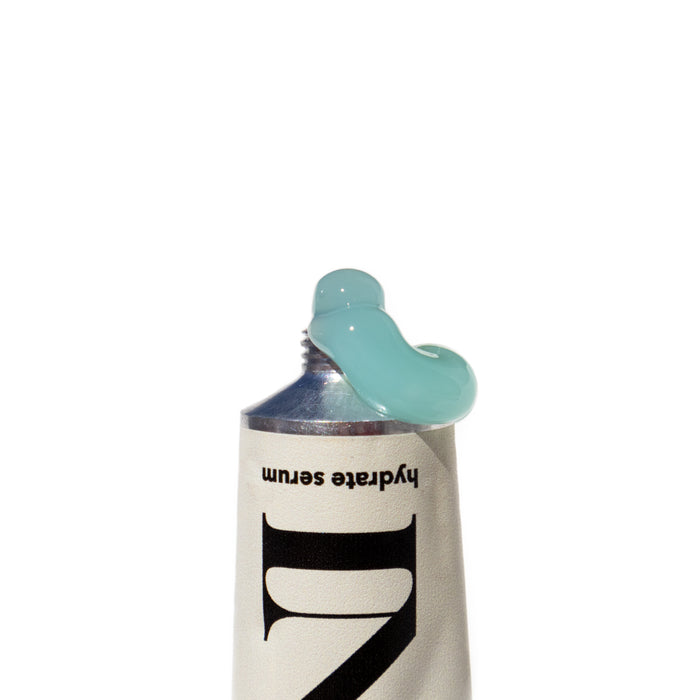
HYDRATE SERUM
A well-hydrated surface reflects light evenly and allows vitamin C actives to distribute properly. Dull skin is frequently dehydrated skin wearing a more sophisticated name.
 Daily Anchor - Brighten
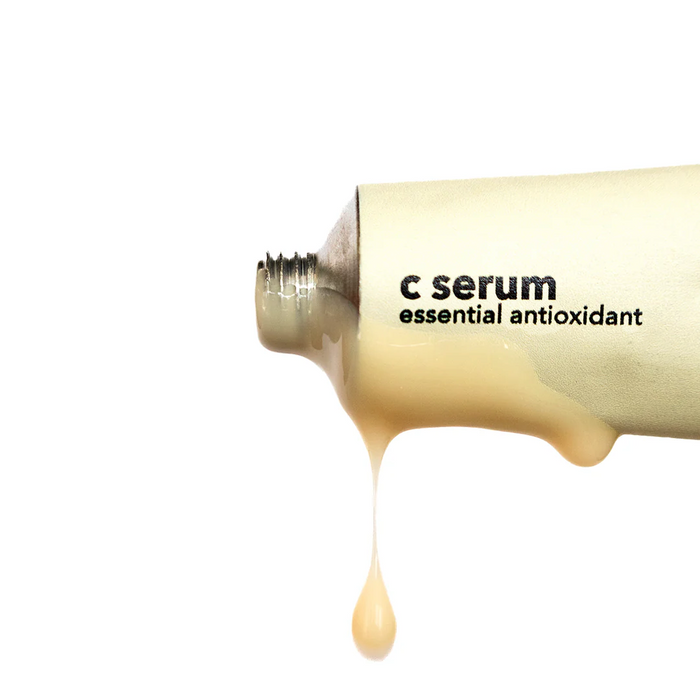
C-SERUM
Stabilised ethyl ascorbic acid and niacinamide — brightens dullness, fades uneven pigmentation, and supports collagen daily without the instability or irritation of traditional L-ascorbic acid.
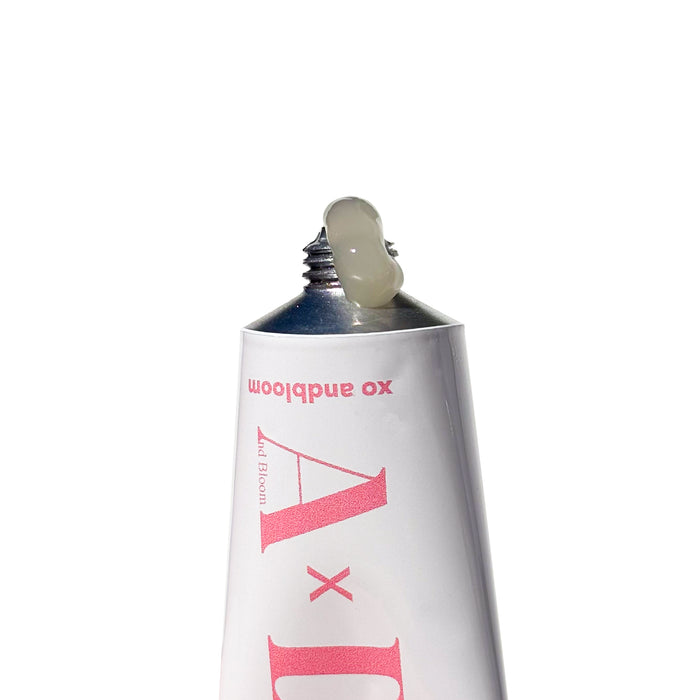 cellular communication
XO and.bloom SERUM
Delivers a concentrated repair signal deeper than surface hydration can reach. Applied after Hydrate Serum, when the moisture cushion is in place and the skin is primed to receive. The step between filling and rebuilding.
 PM Only
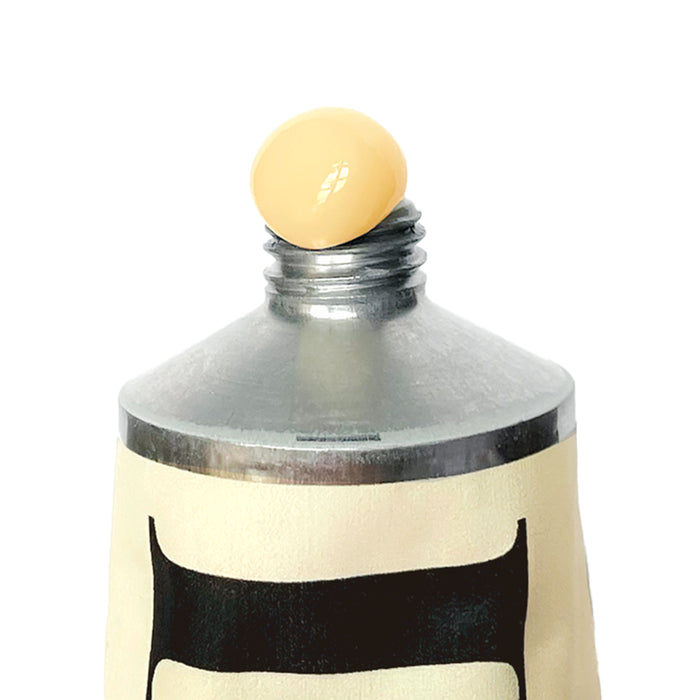
RENEW PM
0.1% retinaldehyde in a hydroxysome delivery system — encapsulated for stability, released gradually for tolerability, absorbed at a depth conventional retinoids don't reach. Accelerates cell turnover, corrects pigmentation, and stimulates collagen. Begin every other night, build to nightly over eight weeks.
 exfoliate
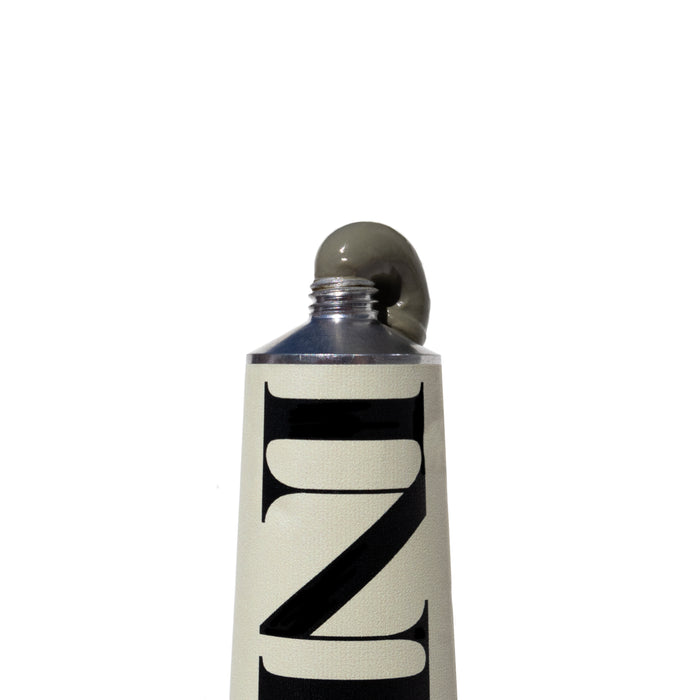
RADIANCE MASK
Enzymes, BHAs, PHAs, and four molecular weights of HA — resurfacing and hydrating simultaneously. French green clay detoxifies; blue tansy and grapefruit calm. Skin absorbs actives applied after with considerably more efficiency. Use 2–3 times per week.
 seal + illuminate
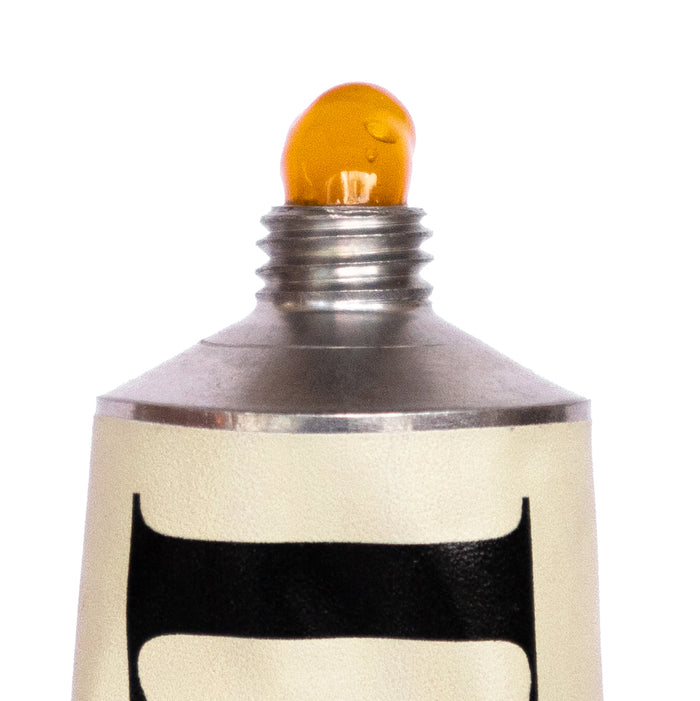
PROTECT OIL
10% THD ascorbate — fat-soluble vitamin C that penetrates the lipid matrix where water-soluble forms can't reach. Brightens, supports collagen, and seals the entire routine.
 protect
sunscreen
SHIELD PRIMER - SPF 35
UV is the leading cause of pigmentation — and SPF is the only step that prevents it forming in the first place. Mineral SPF 35+ in a smooth priming base that protects the brightening work done by everything beneath it.
One way to think about it
"Skin cells have a lifecycle: they're born, they work, they retire. The issue is that retirement age creeps up over time — cells that should have moved on are still occupying valuable surface space, scattering light and holding onto pigment they were supposed to take with them on the way out. The formulas on this page are, essentially, a very polite eviction notice."
Tone, brightness, and why cell turnover is the only mechanism that addresses both
The Science behind the Collection
What your skin is not quite doing
Uneven tone and dullness are frequently treated as separate problems requiring separate solutions — a brightening serum for one, a radiance mask for the other, a highlighter for the days neither is working. The more useful framing is that they share a mechanism: how reliably the skin renews its surface layer, redistributes melanin, and reflects light.
When cell turnover is running at pace, pigment disperses evenly, the surface stays smooth, and light bounces off it in the way it is supposed to. When it slows — which it does, progressively, from the mid-twenties onward, with UV and stress doing their best to accelerate the schedule — old cells accumulate, pigment concentrates in patches, and the overall effect is a complexion that looks flat rather than luminous. This collection addresses that mechanism directly.
Tone refers to how evenly melanin — the skin's pigment — is distributed across the surface. When the distribution is uneven, the result is visible patches of darker or redder skin: post-inflammatory marks left by acne or irritation, sun-induced hyperpigmentation, or the diffuse discolouration that accumulates from years of UV exposure without adequate protection.
The correction requires both active brightening — vitamin C, niacinamide, licorice root — and the consistent exfoliation and cell turnover that removes the pigmented cells from the surface. One without the other is inefficient. Brightening a surface that isn't renewing is applying paint to a wall you haven't sanded.
- Visible patches of darker pigmentation, particularly around the forehead, cheeks, and upper lip
- Post-inflammatory marks that persist long after the original inflammation has resolved
- Uneven skin tone that concealer addresses but doesn't solve
- A complexion that photographs inconsistently — different in different lights
Brightness is not a product category. It is what happens to a skin surface that is smooth, hydrated, well-renewed, and unencumbered by dead cell accumulation. Light hits it and reflects evenly. The complexion looks alive rather than present.
The reason most brightening products underdeliver is that they address light reflection without addressing the surface condition that determines it. A luminising primer is not the same thing as a luminous complexion. The former is cosmetic; the latter is a result of the skin working as it should — which requires the renewal, hydration, and antioxidant protection to make it happen.
- A flat, low-contrast complexion that reads as tired regardless of sleep
- Skin that looks better immediately after exfoliation — and returns to dull within days
- A surface that feels smooth but doesn't reflect light the way it used to
- Makeup that sits rather than sits well — no luminosity beneath it